Essential Inspections and Safety Checks for Your Farming Equipment at Cwm Agri

Farming equipment is the backbone of any agricultural operation. From ATVs and trailers to tractors and other heavy machinery, keeping these tools in top condition is crucial for safety, efficiency, and productivity. At Cwm Agri, safety and service go hand in hand to support all kinds of farming needs. Regular inspections and safety checks help prevent accidents, reduce downtime, and extend the life of your equipment.
This post covers practical steps and tips for inspecting your farming equipment, focusing on key areas that require attention. Whether you rely on ATVs for quick field access, trailers for transporting goods, or tractors for heavy-duty work, understanding how to maintain safety standards is essential.
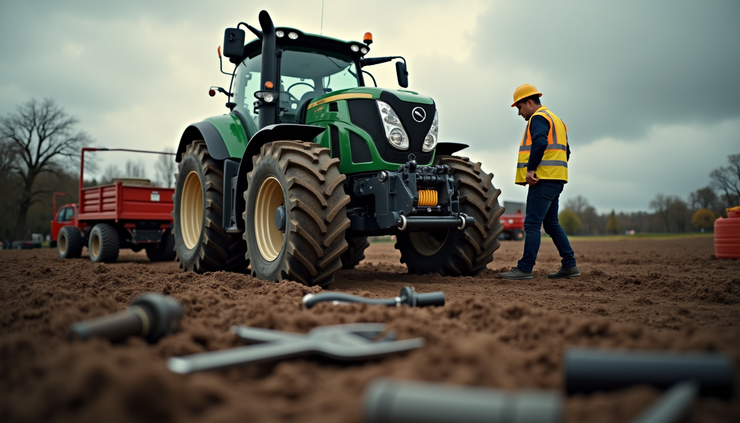
Why Regular Inspections Matter
Farming equipment faces tough conditions daily. Dust, mud, heavy loads, and long hours can cause wear and tear that might not be obvious at first glance. Ignoring small issues can lead to major breakdowns or accidents. Regular inspections help you:
Identify worn or damaged parts early
Ensure safety features are working properly
Maintain compliance with safety regulations
Avoid costly repairs and downtime
Protect operators and others on the farm
Cwm Agri emphasizes safety and service, offering expert advice and support to keep your equipment reliable.
Key Areas to Inspect on Farming Equipment
1. Tires and Wheels
Tires are critical for stability and traction. Check for:
Proper inflation according to manufacturer guidelines
Cracks, cuts, or bulges in the tire sidewalls
Worn tread that reduces grip on uneven or slippery surfaces
Loose or damaged wheel nuts and bolts
For trailers, ensure the wheel bearings are lubricated and free of play.
2. Brakes and Steering
Brakes must respond quickly and smoothly. Test them regularly by:
Checking brake pads and discs for wear
Inspecting hydraulic lines for leaks or damage
Testing parking brakes for secure holding
Steering components should be free of excessive play or stiffness. Look for worn joints or damaged linkages.
3. Lights and Signals
Visibility is vital, especially when operating near roads or in low light. Confirm that:
Headlights, tail lights, and brake lights work correctly
Indicators and hazard lights flash properly
Reflectors are clean and undamaged
4. Fluid Levels and Leaks
Engines and hydraulics depend on clean fluids. Check:
Engine oil level and condition
Coolant level and radiator condition
Hydraulic fluid levels and hoses for leaks
Fuel system for leaks or damage
Regular oil changes and fluid top-ups prevent engine damage and maintain performance.
5. Safety Guards and Shields
Many machines have guards to protect operators from moving parts. Inspect:
Guards for cracks, missing sections, or loose fittings
Shields covering belts, chains, and PTO shafts
Emergency stop buttons or switches for proper function
6. Load and Hitch Points
Trailers and tractors often carry heavy loads. Check:
Hitch pins and locking mechanisms for wear or damage
Trailer coupling points for secure attachment
Load restraints and tie-downs for integrity

Safety Checks Specific to ATVs
ATVs are versatile but require careful handling and maintenance. Important checks include:
Tire pressure and tread depth
Brake responsiveness and fluid levels
Throttle and steering controls for smooth operation
Lights and reflectors for visibility
Battery terminals for corrosion
Always wear appropriate safety gear when operating ATVs and follow manufacturer guidelines.
How Cwm Agri Supports Your Safety Needs
Cwm Agri offers a range of services to help farmers maintain their equipment safely:
Professional inspections by trained technicians
Routine maintenance packages tailored to your machinery
Genuine parts and accessories for repairs
Expert advice on safety standards and best practices
Using Cwm Agri’s services ensures your equipment meets safety requirements and performs reliably through every season.

Tips for Effective Equipment Inspections
Create a checklist tailored to each type of equipment
Schedule inspections regularly, such as weekly or monthly depending on usage
Keep records of inspections and maintenance work
Train operators to spot issues and report them immediately
Use quality tools for inspections and repairs
By following these steps, you reduce risks and keep your farm running smoothly.


Comments